Voices in the corpus
The bioenergetic corpus is Peat-first by design, with two substantial interpreters reading him from different angles. Each page surfaces what that voice has actually said across the books, articles, and interviews the oracle cites.
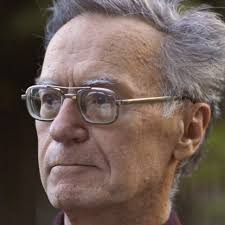
Ray Peat
1936–2022
Biologist; originator of the bioenergetic frame
American biologist (PhD, University of Oregon, 1972) whose work on estrogen and progesterone seeded a fifty-year writing project on metabolism, thyroid, and protective steroids. His newsletter, books, and recorded interviews remain the corpus's primary substantive voice.
1785 sources1633 passages220 concepts
Georgi Dinkov
Chemist; pharmacology-focused interpreter of Peat
Bulgarian-American chemist (online: “haidut”) who reads the bioenergetic frame through a heavy pharmacology and clinical-research lens. His blog and forum writing assemble experimental literature around dosing, mechanism, and supplement-grade interventions.
1225 sources379 passages123 concepts
Danny Roddy
Author; protocol-focused interpreter of Peat
American author and educator who translates the bioenergetic frame into practical interventions, with a long-running focus on hair loss and metabolism. Co-host of the Generative Energy interview series and the author of multiple Peat-aligned books.
702 sources232 passages118 concepts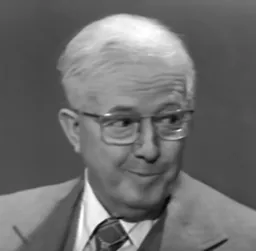
Broda Barnes
1906–1988
Physician–endocrinologist; thyroid and basal-temperature pioneer
American physician and endocrinologist whose decades of clinical work on hypothyroidism — popularized in Hypothyroidism: The Unsuspected Illness (1976) and the Barnes basal body-temperature test — became a foundational reference for the bioenergetic emphasis on metabolic rate, body temperature, and the thyroid's role in heart disease.
9 sources5 passages3 concepts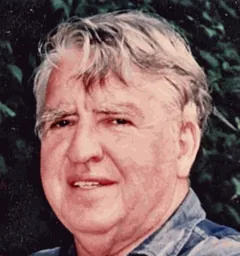
Thomas Brewer
1924–2005
Obstetrician; nutrition and the prevention of toxemia in pregnancy
American obstetrician who argued that toxemia of late pregnancy — preeclampsia and eclampsia — is a disease of malnutrition preventable by adequate protein and calories. His book Metabolic Toxemia of Late Pregnancy and the Brewer pregnancy diet underpin the bioenergetic view of nutrition during gestation.
31 sources2 passages2 concepts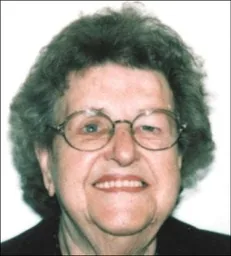
Katharina Dalton
1916–2004
Physician; named premenstrual syndrome and pioneered progesterone therapy
British physician who first described and named premenstrual syndrome and developed progesterone therapy for PMS and postnatal depression. Her clinical writing, including The Premenstrual Syndrome and Progesterone Therapy, anchors the bioenergetic view of progesterone as a protective, anti-stress steroid.
19 sources7 passages2 concepts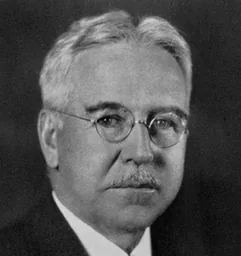
Yandell Henderson
1873–1944
Physiologist; respiration and carbon dioxide
American physiologist at Yale whose research on respiration, oxygen, and carbon dioxide — including work on acapnia and the resuscitative use of CO₂ — is a primary source for the bioenergetic emphasis on carbon dioxide as a protective, structurally important gas in metabolism.
13 sources3 passages1 concept
Each voice cites the others. The oracle searches all of them at once and labels which passage came from whom.
Open the oracle